
Walking into a tile showroom can be overwhelming. With so many sizes, finishes, and styles on display, it’s easy to start wondering: What am I actually looking at? What size should I choose? And do I need porcelain or ceramic tiles?
The good news is that once you understand the basics, choosing the right tile becomes much simpler. Let’s break it down.
Porcelain Tiles: Strong, Durable, and Versatile
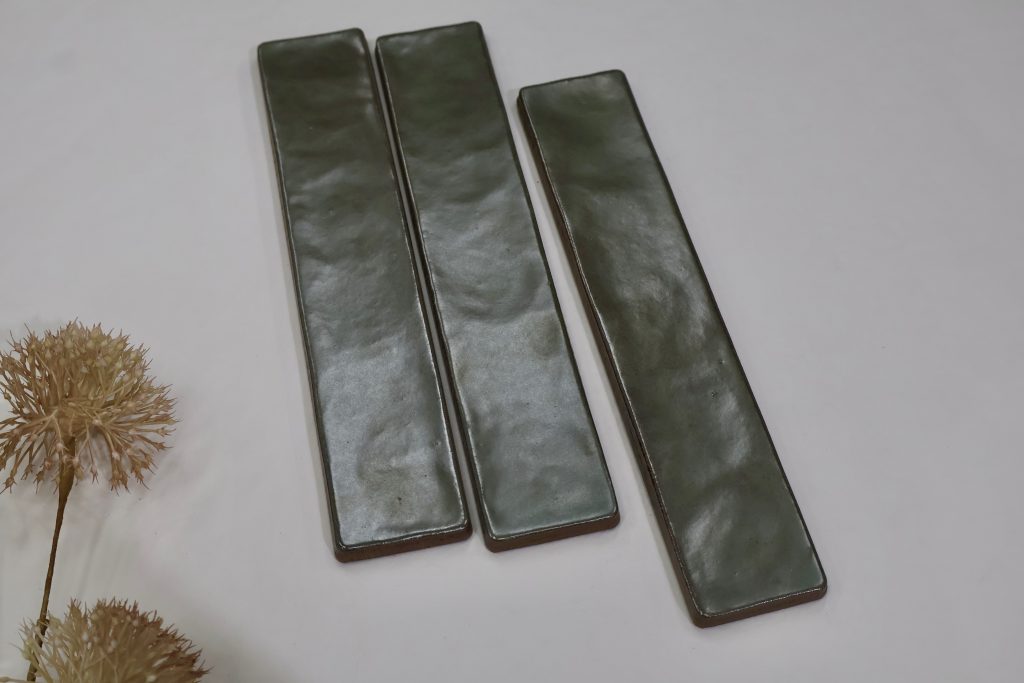
Porcelain refers to the biscuit, or base, of the tile. This base forms the body of the tile and is then finished with a glaze. Porcelain tiles come in a range of grades, but one thing remains consistent: porcelain is strong.
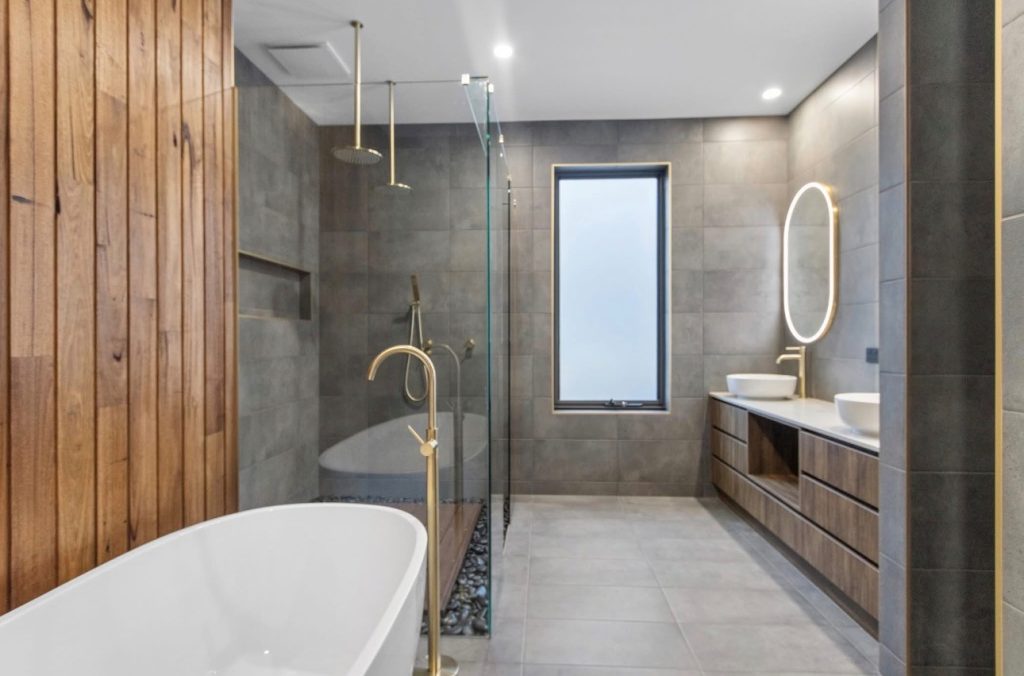
Because of their durability, porcelain tiles are most commonly used for floors. They can withstand heavy wear and tear, making them ideal for high‑traffic areas.
Italy is well known for producing premium porcelain tiles using high‑quality clay, and you can often see and feel the difference when comparing Italian tiles with options from China or Malaysia. That said, not everyone needs top‑tier porcelain. China, Malaysia, and Australia all produce excellent‑quality porcelain tiles across a wide range of budgets and standard sizes, meaning there’s plenty of choice on today’s market.
Porcelain tiles aren’t just for floors—you can also use them on walls. This makes them a great option if you’re aiming for a cohesive look, such as using the same tile throughout a bathroom. Many porcelain ranges offer a matte finish for floors with a matching polished version for walls. From a performance and cleaning perspective, both finishes are the same, but polished tiles reflect more light, which can really brighten up a darker bathroom or a space with limited natural light.
Ceramic Tiles: Decorative and Budget‑Friendly
Ceramic tiles were once the mainstay of the tile industry. They are made from a softer biscuit base and are now used mostly for wall and decorative applications. Ceramic tiles are generally no longer considered strong enough for floors (although you may still see them in some lower‑cost builder ranges), so they are best kept to walls.
Ceramic tiles are typically available in a more limited range of sizes, usually from 300 × 600mm down to 100 × 100mm. While they’re gradually being replaced by porcelain in many applications, ceramic tiles still shine when it comes to style.
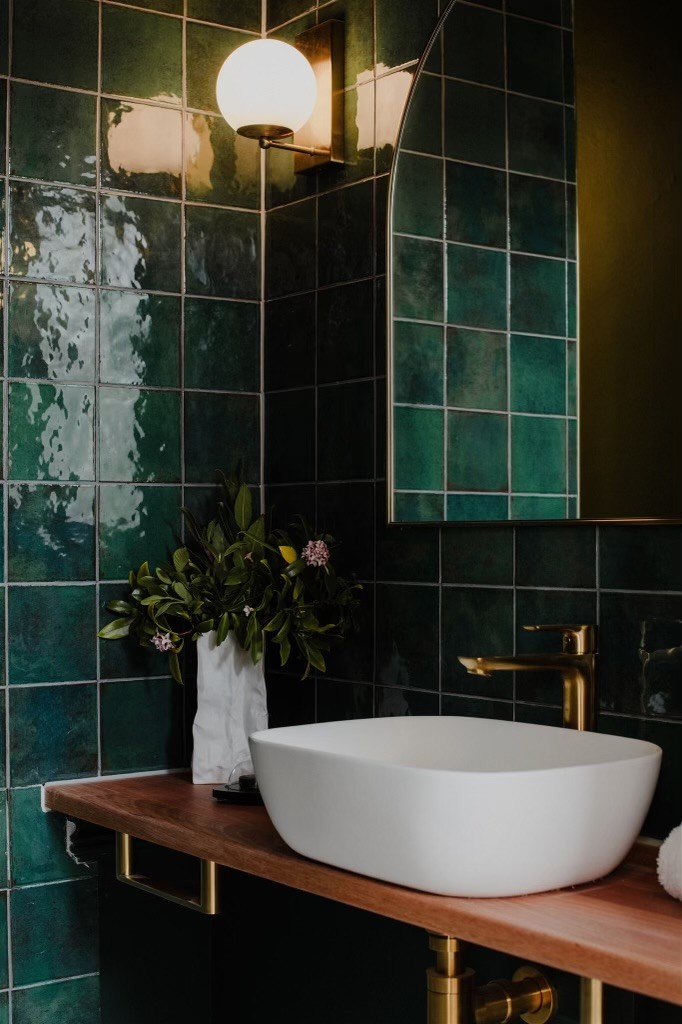
Ceramic tiles allow for bold design choices. You’ll find colourful, textured, and 3D designs that can create stunning feature walls. If you want to make a statement in your space, ceramic tiles are a great option.
Still Not Sure? Come and See the Difference
Seeing tiles in person really does make all the difference. Visit our showroom and speak with our friendly, knowledgeable team – they’ll be happy to help you find the perfect tile for your space.